
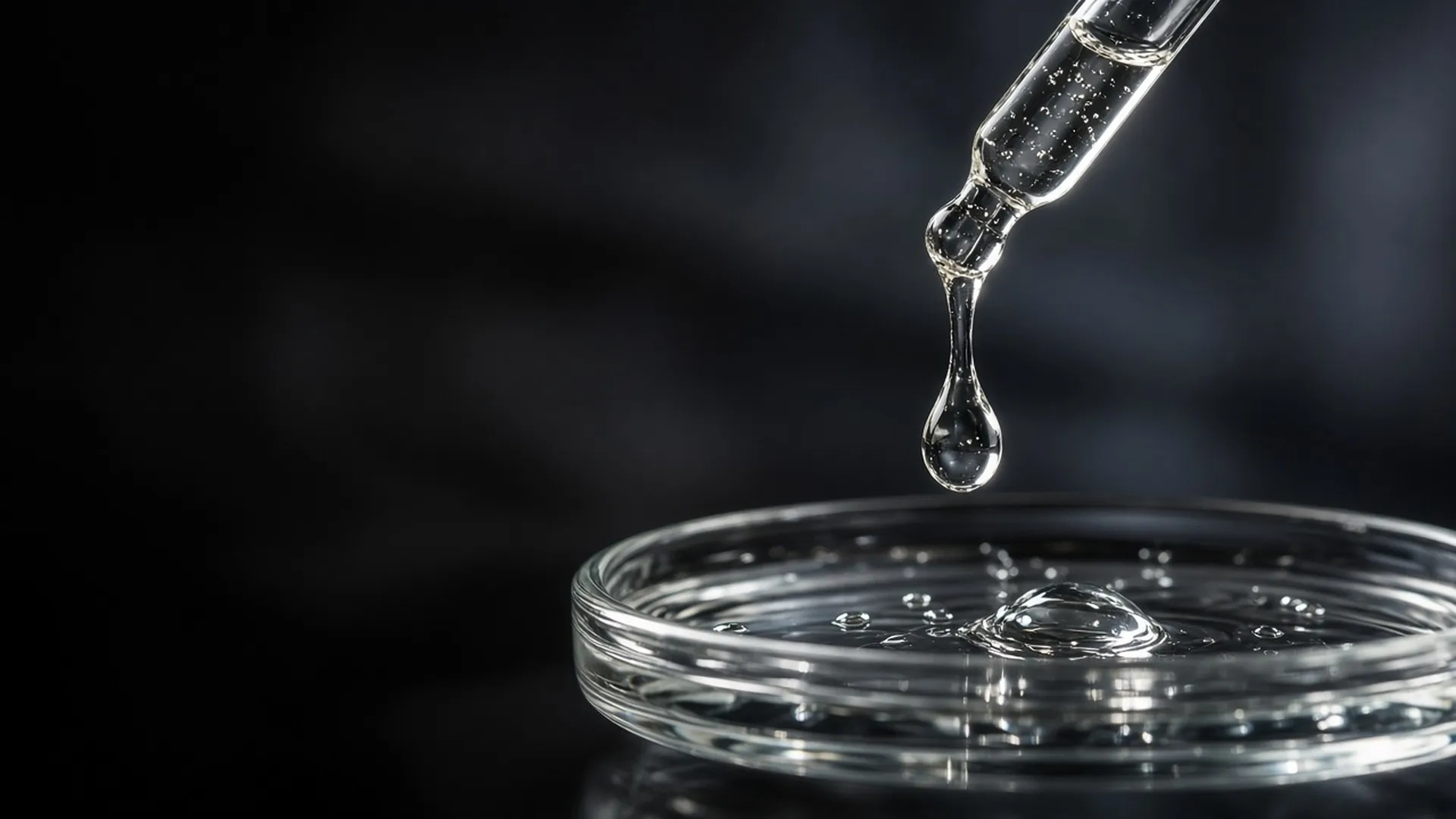
Hyaluronic acid, explained
A humectant, in plain words.
Disclosure: We may earn a commission if you buy through links on this page. It does not change our guidance. Affiliate Disclosure
What it is
Hyaluronic acid is an ingredient you may see on a moisturizer label. The AAD groups it with the humectants, along with glycerin. A humectant is an ingredient that draws in and holds water.
What the AAD says
A dermatologist quoted in the AAD moisturizer guide suggests looking for hyaluronic acid on the ingredient list, and calls it "known for its intense moisturizing qualities." The AAD dry skin tips list it among the ingredients to look for in a cream or ointment.
Moisturizing is a cosmetic claim
The FDA says moisturizing is a cosmetic claim. It says that if a product is intended to make lines and wrinkles less noticeable simply by moisturizing the skin, it is a cosmetic.
Where the line is
The FDA says that if a product is intended to remove wrinkles or increase the skin's production of collagen, it is a drug or a medical device. We make no such claim for any ingredient.
Serums and creams
Hyaluronic acid can appear in serums, creams, and gels. We do not compare products or amounts.
Sources: AAD, 4 skin care tips for your hands; American Academy of Dermatology (AAD), How to pick the right moisturizer for your skin; AAD, Dermatologists' top tips for relieving dry skin; FDA, Wrinkle Treatments and Other Anti-aging Products.
FAQ
General information, not medical advice. Before you use a new skin care product on your face, the American Academy of Dermatology suggests testing it on a small spot of skin, such as the bend of your elbow, twice a day for seven to 10 days. If your skin reacts, wash the product off and do not use it again. Follow the directions and warnings on the label. See a doctor or dermatologist about a rash, a skin reaction that does not go away, or any skin condition. If you have signs of a severe allergic reaction, such as shortness of breath or trouble swallowing, call 911.
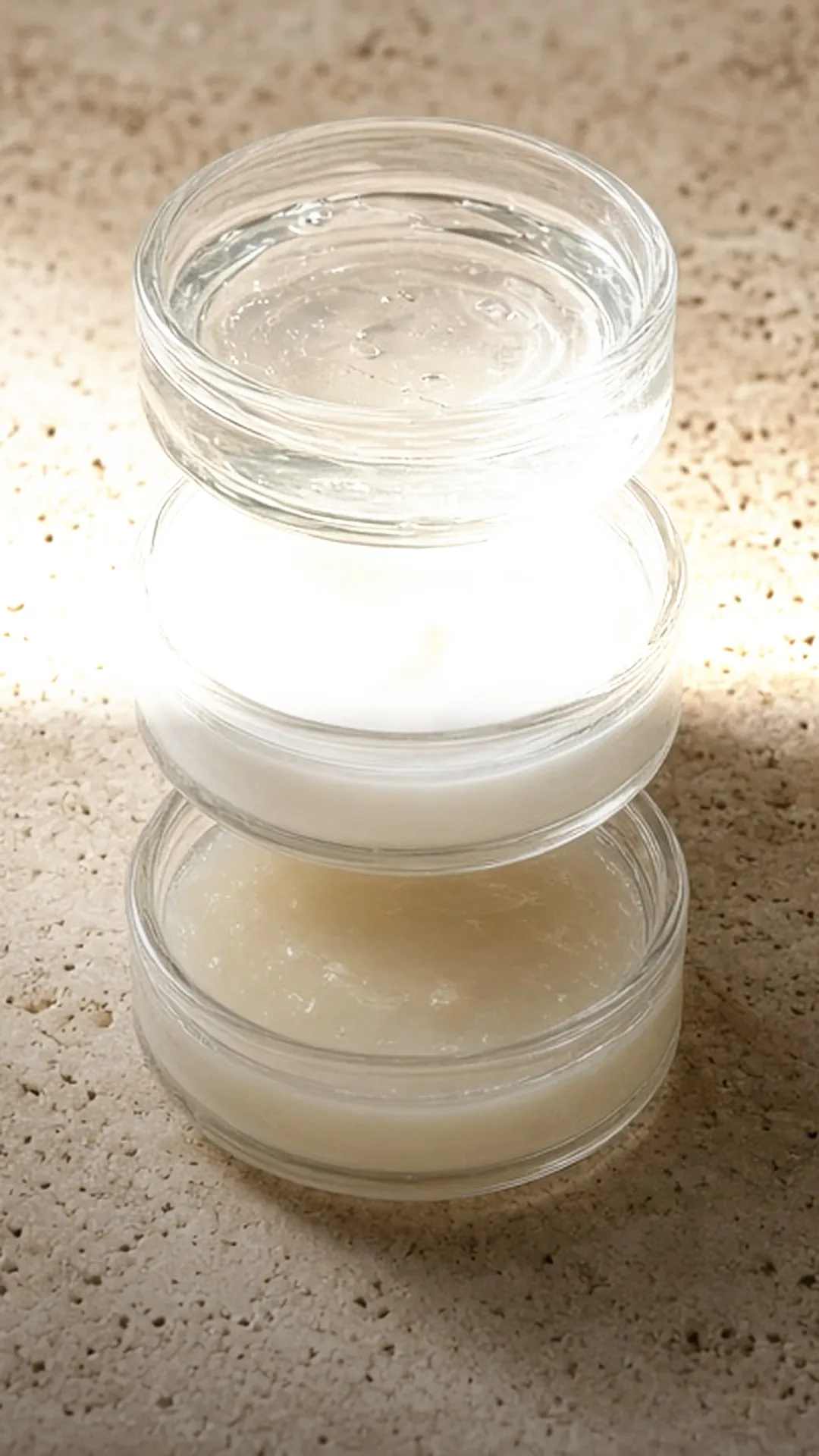

Next: humectants, emollients, occlusives
Three jobs, three names.
